With the arrival of warmer days, what we pour into our glasses begins to change as well. Heavy red wines step aside, making room for rosé. Rosé season has officially begun, and it is worth knowing what to expect from a good bottle of rosé. For a long time, rosé struggled to find its place among wines. Some consumers viewed it as something between white and red wine, a neutral option for those who could not decide. That perception is long outdated. Today, rosé is a fully established category with its own production methods, its own regions, and its own place in gastronomy. Winemakers devote the same level of attention to rosé as they do to white and red wines, and in recent years many rosés have emerged that can easily stand up to more demanding tastings. Seasonality in wine is not just a marketing concept. In warmer temperatures, both our bodies and our taste buds react differently, naturally seeking freshness, lower alcohol content, and better drinkability. This is exactly where rosé performs best. It offers a fruity profile, lightness, and enough structure to pair beautifully with food. Seasonal ingredients such as asparagus, strawberries, goat cheese, fresh fish, grilled vegetables, and light Mediterranean meats complement rosé naturally. In this article, we will look at how rosé is actually made, what to pay attention to when choosing one, and which specific wine from Solo Spirits deserves your attention at the start of the new season.
What Is Rosé?
Rosé wine is not a blend of white and red wine. It is made from red grape varieties, with the grape skins remaining in contact with the juice for only a short period, ranging from several hours to one day. The length of this contact determines the wine’s color, structure, and aroma.
There are also different production methods. The best known are direct pressing (pressurage direct), where the grapes are pressed immediately after harvest, and the saignée method, where part of the juice is removed from a tank intended for red wine production. Each method creates a different color and flavor profile.
Why Rosé Has Its Season?
During warmer weather, we naturally crave different flavors. The body and palate respond better to freshness, acidity, and lightness. Full-bodied tannic red wines can feel too heavy in the heat. Rosé fits perfectly between white and red wine, offering fruit-forward character together with enough structure and acidity to stay refreshing.
The second reason is gastronomic. Seasonal ingredients such as asparagus, strawberries, goat cheese, grilled vegetables, fish, and light Mediterranean meats pair exceptionally well with rosé, often better than with many other wine styles.
What to Look for When Choosing Rosé?
Pri výbere kvalitného rosé sú dôležité tri veci:
There are three important factors when selecting a quality rosé:
Origin: Great rosés come from France, Italy, Spain, Lebanon, and Cyprus. The region and growing conditions influence the final wine more than the grape variety itself.
Vintage: Rosé is a wine meant to be enjoyed young. It tastes best within two years of the vintage. Older vintages tend to lose their freshness.
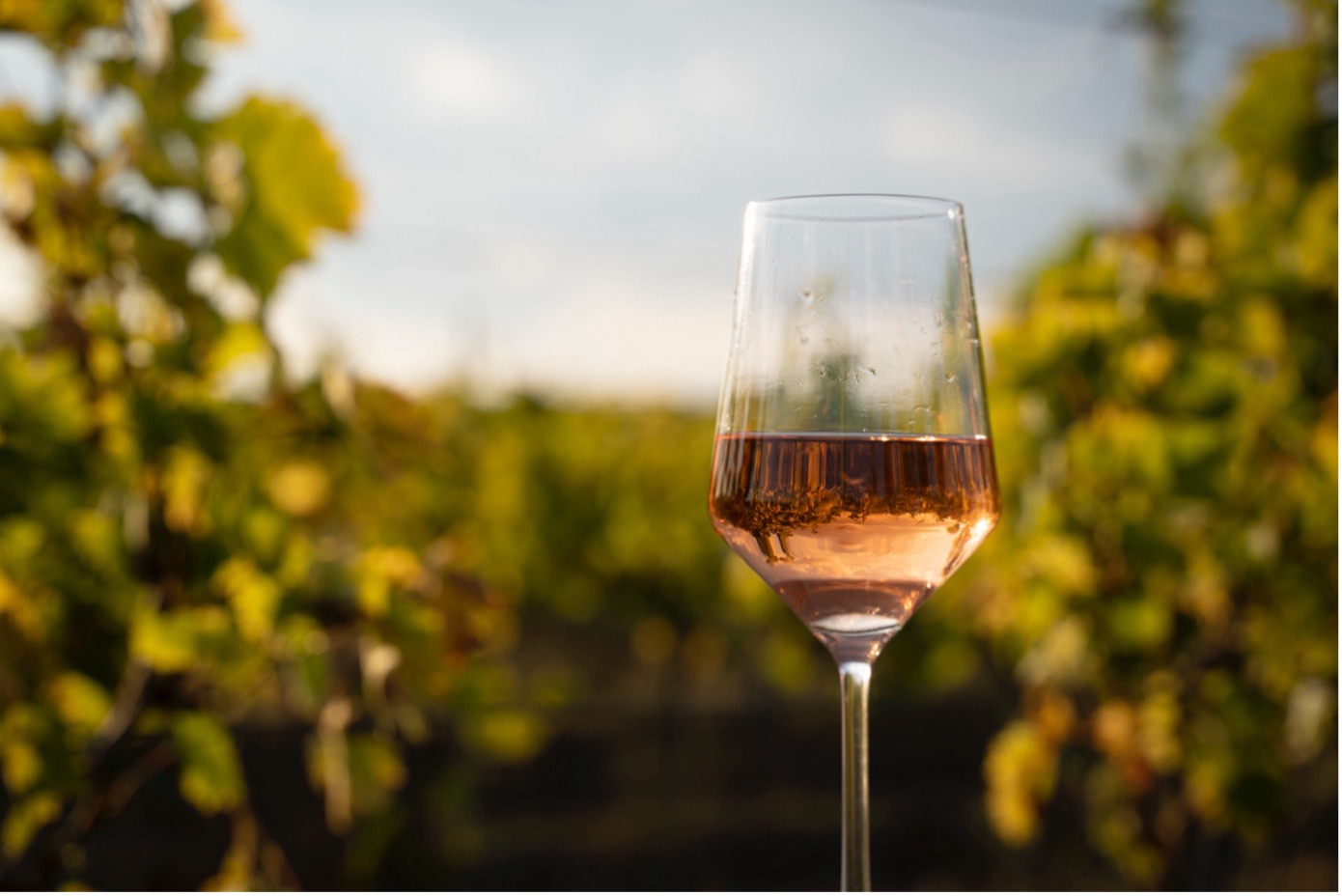
Color is not an indicator of quality: A paler rosé is not automatically better. Color depends on the grape variety, production method, and the winemaker’s style. Focus on aroma and taste rather than the shade itself.
Solo Spirits Recommendation: Terroir de Bacchus Rosé 2023
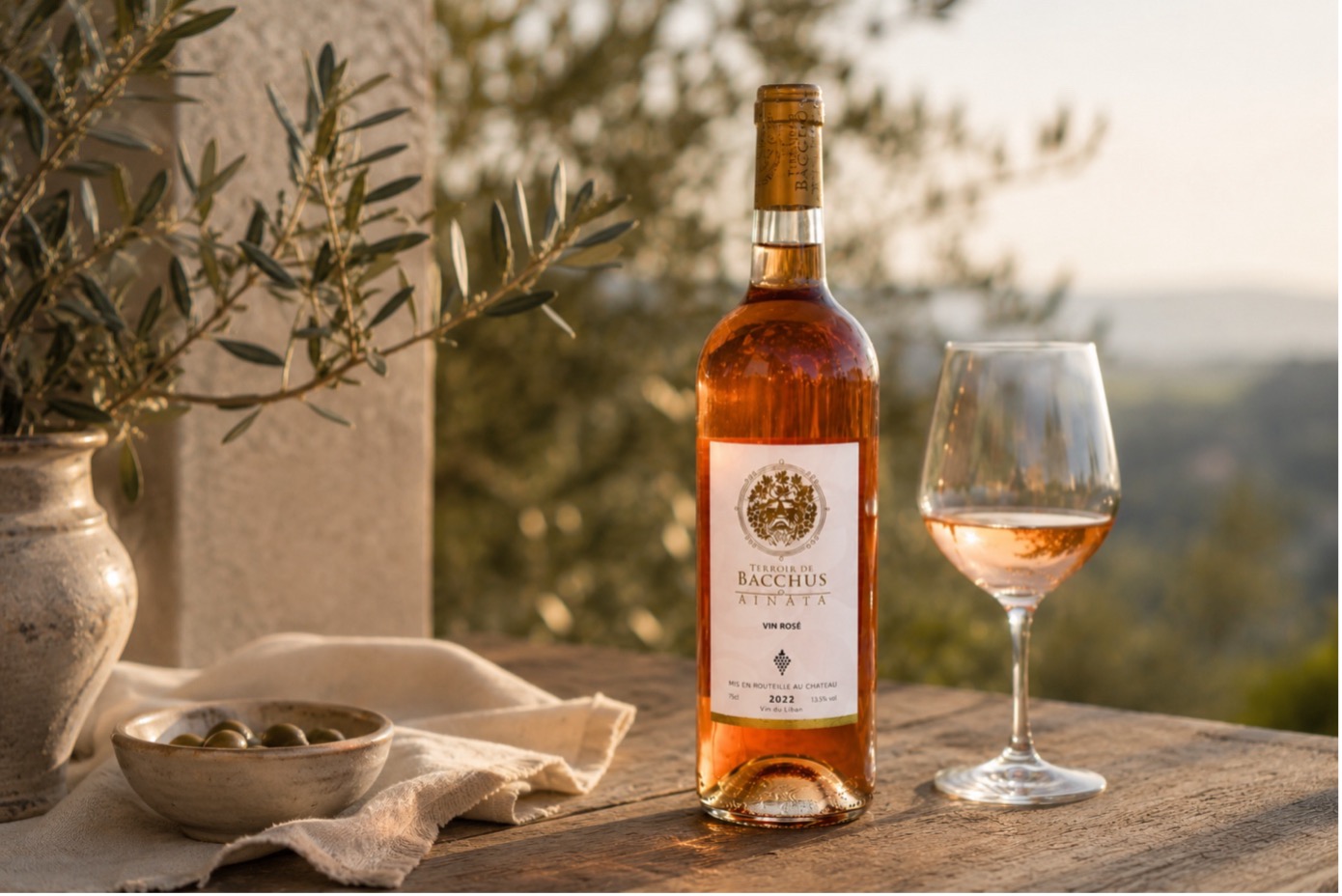
One standout from the current selection is Terroir de Bacchus Rosé 2023. It comes from Lebanon, specifically from the village of Ainata, where the vineyards are located at an altitude of 1,650 meters. The wine is made from Syrah and Cabernet Sauvignon grown on clay-limestone and rocky soils. The high altitude means warm days and cool nights. This temperature difference helps the grapes retain their acidity and aromatic freshness. The wine offers delicate aromas of red fruit with floral notes. On the palate, it is balanced, fuller-bodied, yet still vibrant thanks to its refreshing acidity. The finish is clean and refreshing.
Wine Specifications:
Volume: 750 ml
Alcohol: 13.5%
Residual sugar: Dry
It pairs beautifully with salads, light Mediterranean dishes, grilled vegetables, and seasonal cuisine.
How to Serve Rosé Properly?
The ideal serving temperature is between 8 and 10 °C. Wine served too cold loses its aroma, while wine served too warm feels heavier. The glass should be thin-walled and medium-sized to allow the wine to open up properly. Rosé is best enjoyed fresh, ideally immediately after opening, or within two days if stored correctly in the refrigerator.
Rosé season has officially begun. For a complete selection of rosé wines, visit solo-spirits.com.